
Across Greater Boston, one housing type keeps resurfacing in discussions about affordability, zoning reform, and neighborhood development: the triple-decker.
These three-story multifamily homes—an architectural hallmark of neighborhoods like Dorchester, Roxbury, and Somerville—may hold clues to how the region can address its growing housing shortage. For real estate investors, policymakers, and homeowners alike, the renewed attention on triple-deckers highlights both the opportunities and limitations of small multifamily housing in Boston.
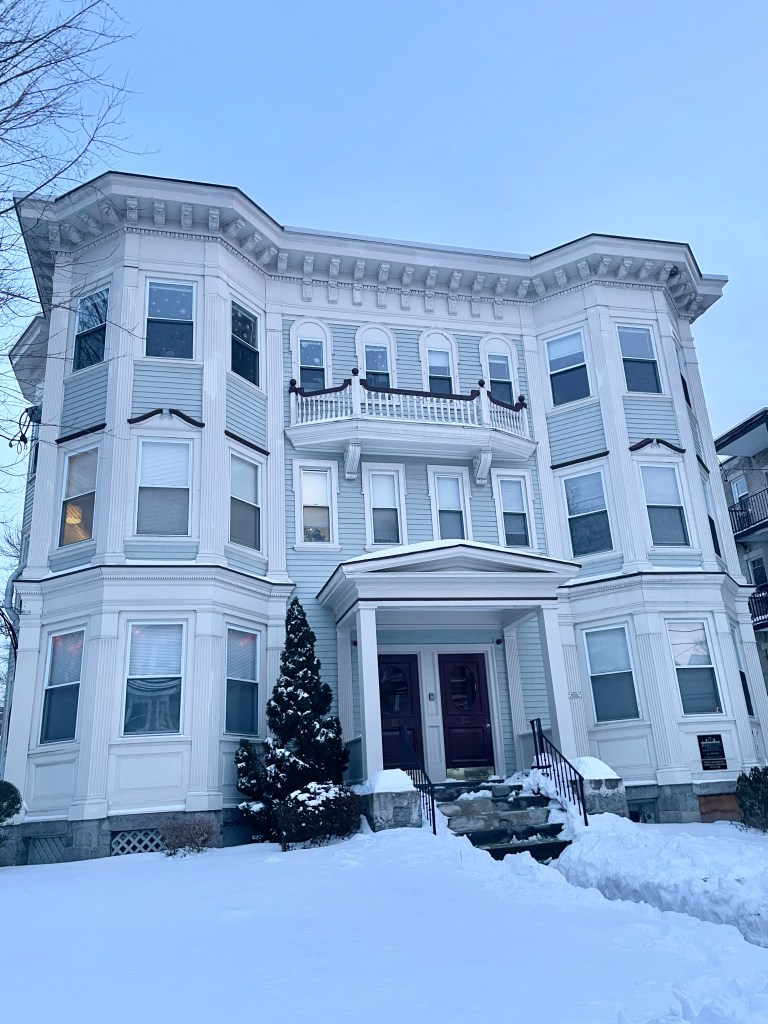
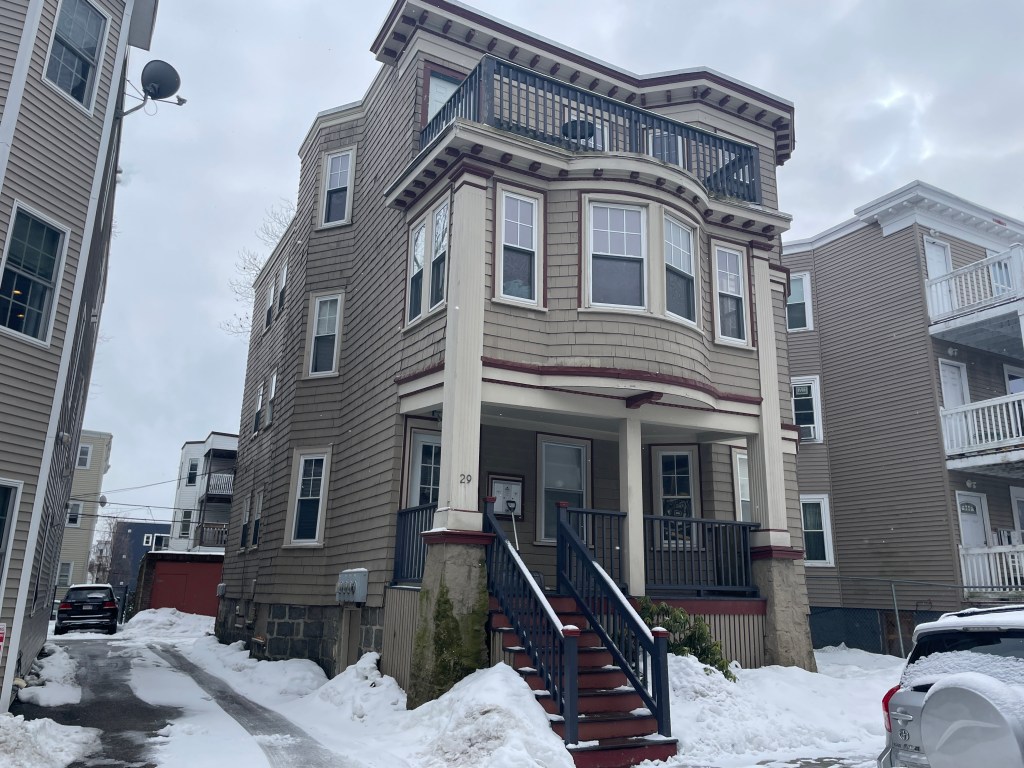
Triple-deckers are a uniquely New England housing model. Built primarily between 1880 and 1930, these wood-frame structures typically contain three stacked apartments, one per floor. Roughly 15,000 triple-deckers still exist across the Boston area today, making them one of the most recognizable residential building types in the region.
Historically, triple-deckers played a critical role in Boston’s economic development. During the city’s industrial expansion, they provided housing for factory workers and immigrant families arriving in Massachusetts. Over time, they became an important vehicle for working-class wealth building, allowing owners to live in one unit while renting out the other two.
Today, that same housing model is being reconsidered as Massachusetts grapples with one of the most severe housing shortages in the country.
Boston’s Housing Supply Problem
Boston’s affordability challenges have intensified dramatically over the past decade. According to research from the Boston Foundation’s Boston Indicators project, the median single-family home price in Boston rose roughly 40% between 2015 and 2025, increasing from about $596,000 to more than $837,000.
https://www.bostonindicators.org
At the same time, fewer renters are able to transition into homeownership. Boston Indicators reports that the share of renter households able to afford an entry-level home in Greater Boston fell from about 30% in 2021 to roughly 15% by 2025.
Meanwhile, housing construction has struggled to keep pace with demand. Limited land availability, rising construction costs, and restrictive zoning regulations have all contributed to the region’s housing shortage.
As policymakers search for ways to increase housing supply without dramatically altering neighborhood character, attention has returned to small multifamily housing models like the triple-decker.
How Zoning Restrictions Reduced Triple-Decker Construction
Ironically, many of the zoning rules limiting triple-deckers today emerged during the early twentieth century.
Between 1910 and 1930, the buildings became closely associated with immigrant and working-class communities. As a result, some municipalities began introducing zoning rules that restricted building height and density. These regulations gradually made it difficult—or impossible—to construct traditional triple-deckers in many neighborhoods.
Pasted text
Today, many areas of Boston restrict buildings to two and a half stories, meaning developers who want to build a traditional three-story structure must seek special approval. Because this process can be expensive and time-consuming, developers often find it more practical to pursue larger apartment buildings instead.
This regulatory environment has significantly reduced the construction of small multifamily housing across the region.
New Housing Policies Are Reopening the Door
Recent policy changes across Massachusetts are beginning to reverse this trend.
The MBTA Communities Act, passed in 2021, requires municipalities served by the MBTA transit system to allow more multifamily housing near transit corridors. The law aims to increase housing supply while encouraging development in areas with existing transportation infrastructure.
https://www.mass.gov/info-details/multi-family-zoning-requirement-for-mbta-communities
Cities have flexibility in how they implement the policy.
For example, Somerville adopted zoning reforms that allow three-unit buildings “by right” across the city, effectively reopening the door for triple-decker-style development.
https://www.somervillema.gov
Nearby Cambridge has taken an even more aggressive approach. The city approved zoning changes allowing four-story buildings by right and up to six stories under certain conditions, reflecting the city’s effort to address severe housing affordability challenges.
https://www.cambridgema.gov
Are Triple-Deckers Enough to Solve the Housing Crisis?
Some economists argue that small multifamily housing alone will not be sufficient to solve Boston’s housing shortage.
Harvard economist Edward Glaeser, a leading researcher on urban economics and housing regulation, has found that restrictive zoning policies across the United States have significantly reduced housing production. His research suggests that if housing had been built at the same rate between 2000 and 2020 as it was between 1980 and 2000, the United States would have roughly 15 million additional homes today.
https://scholar.harvard.edu/glaeser
From this perspective, larger apartment buildings and mid-rise developments may be necessary to significantly increase housing supply in high-cost cities like Boston.
Why Triple-Deckers Still Matter
Even if they are not a complete solution, triple-deckers remain important for several reasons.
First, they provide “missing middle” housing—more dense than single-family homes but smaller in scale than large apartment complexes. This type of development can gradually increase housing supply while preserving neighborhood character.
Second, triple-deckers historically created a pathway to homeownership and economic mobility for working-class families and immigrants. For many residents, the buildings represent not just housing, but community stability.
Finally, they continue to shape the physical and cultural identity of Boston neighborhoods. For many policymakers, expanding opportunities for small multifamily housing represents a way to address affordability while maintaining the character that defines Boston’s residential landscape.
The Future of Boston Multifamily Housing
As Massachusetts continues to confront its housing shortage, policymakers will likely rely on a combination of strategies: small multifamily housing, mid-rise apartment construction, transit-oriented development, and affordable housing initiatives.
For investors and property owners, the renewed conversation around triple-deckers highlights an important reality: Boston’s housing market increasingly depends on expanding the supply of small multifamily housing.
Whether through new construction or the renovation of existing buildings, the triple-decker remains one of the most historically proven housing models in the region.
And as Boston searches for solutions to its housing shortage, that century-old model may still have an important role to play.
Please contact me if you have any questions or want to explore how I can provide further investment advice at https://investinrealestateboston.com or send me an email at luis.delacruz@forteconsulting.us
 Real Estate Investment Advice
Leave a comment