
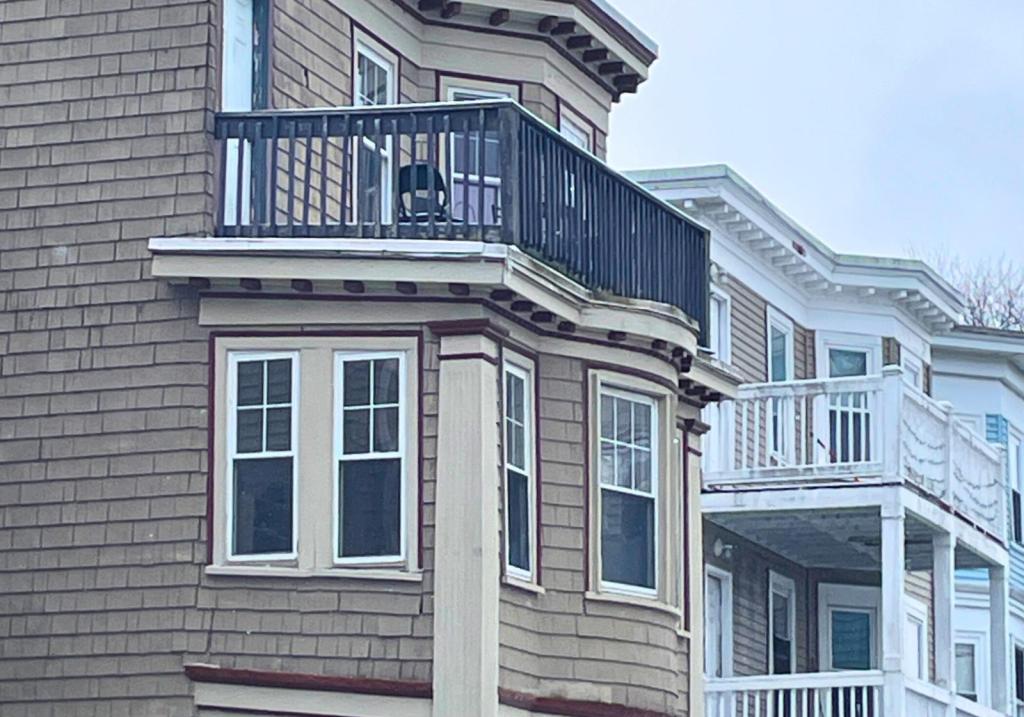
Dorchester has quietly become one of the most structurally sound entry points for multifamily investors in Greater Boston. While neighborhoods like Cambridge, Back Bay, and parts of Brookline continue to trade at compressed cap rates and historically low yields, Dorchester offers something increasingly rare in today’s market: relative value with operational upside.
For buyers focused on 2–6 unit properties, the opportunity is not about speculation. It is about disciplined underwriting, rental demand durability, and long-term positioning in a supply-constrained city.
As Multifamily.biz refers, most three-family properties in Dorchester currently trade between $1.2 million and $1.6 million, depending on location, condition, and proximity to transit. Many of these assets still carry legacy rents in the $1,800–$2,000 range for two- and three-bedroom units. Renovated units, however, are consistently achieving $2,800 to $3,200, particularly near Ashmont, Fields Corner, and Red Line corridors.
This rent spread is where the value-add story lives.
Strategic renovation budgets typically range from $35,000 to $60,000 per unit, focused on kitchens, bathrooms, systems upgrades, flooring, and in-unit laundry installation. When executed properly, stabilized cap rates in the mid-5% range are achievable — a meaningful yield differential compared to core Boston neighborhoods trading below 4%.
Dorchester also benefits from fundamentals that support long-term ownership. The neighborhood offers strong transit connectivity, proximity to Longwood Medical Area and Downtown Boston, a growing renter demographic, and limited new 2–3 family construction due to zoning and replacement costs. Institutional capital has already recognized this dynamic, reinforcing the submarket’s stability.
What makes 2026 different is that this is no longer a frenzy market. Buyers are no longer required to waive every contingency or stretch beyond underwriting discipline. Days on Market have normalized across Greater Boston, creating space for due diligence and strategic negotiation.
The strongest buyers today are not chasing appreciation headlines. They are identifying operational inefficiencies, evaluating rent repositioning potential block by block, and aligning financing structures before making offers.
Equally important: many of the best Dorchester multifamily opportunities do not begin on the open market. Owners frequently explore quiet conversations before listing publicly, particularly when properties are tenant-occupied. Buyers who are prepared, informed, and locally connected often gain access before full exposure occurs.
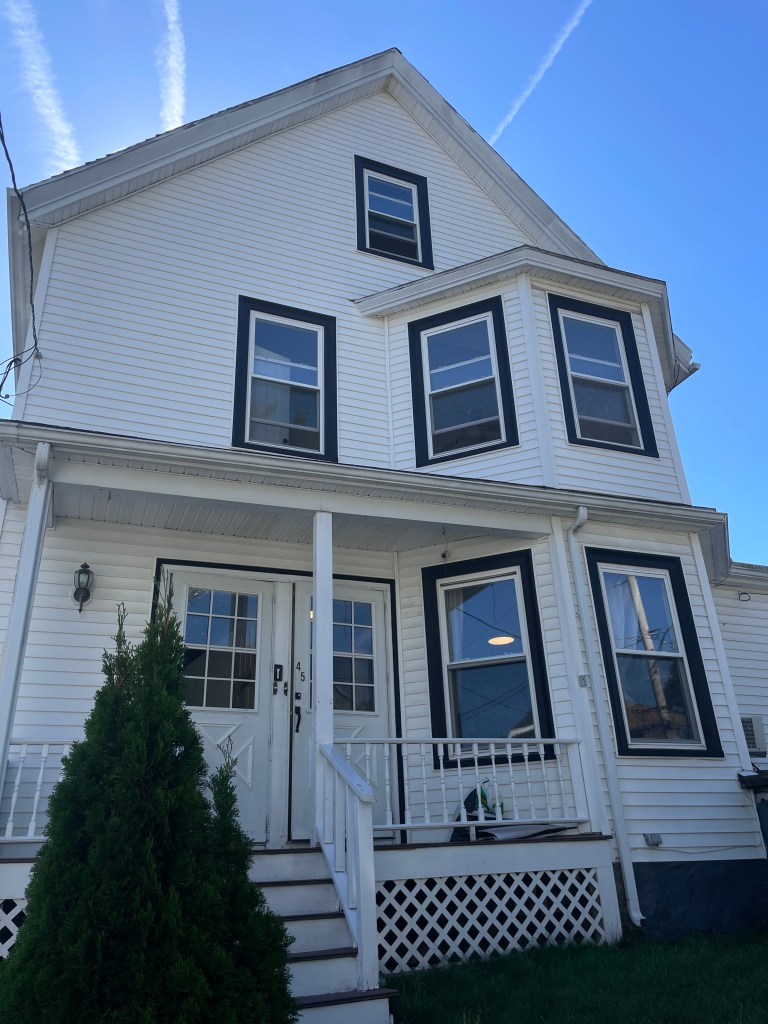
If you are considering investing in a Dorchester multifamily property, the focus should not simply be on acquisition price. It should include rent comps, renovation feasibility, exit positioning, financing alignment, and neighborhood-level trends that influence long-term appreciation.
My approach with multifamily buyers centers on data, strategy, and discipline. That includes block-level analysis, realistic expense modeling, and an honest assessment of whether a property meets your investment criteria.
Dorchester continues to offer one of the most balanced combinations of yield potential and long-term stability in the Boston multifamily market. The key is approaching it with clarity rather than urgency.
If you would like to review your acquisition goals, evaluate a specific property, or understand how today’s Dorchester market aligns with your investment strategy, I am happy to have that conversation.
No pressure. Just informed decision-making.
 Real Estate Investment Advice
Leave a comment